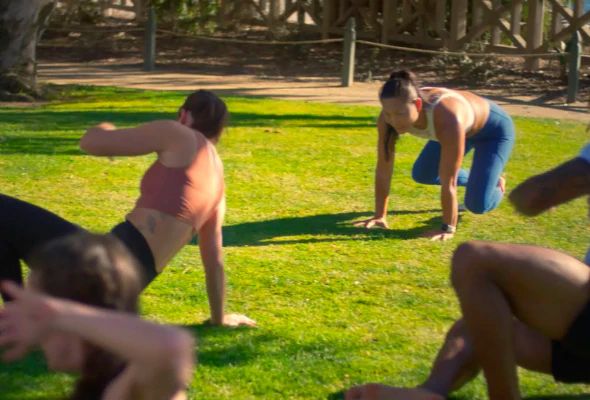
Mobility goes beyond flexibility. Good mobility means feeling strong and capable during full-range movements. It enhances performance, prevents injuries, and enables a healthy, active lifestyle.
Building mobility isn’t rocket science, nor does it need to be a burden—but it does require consistent practice. John incorporates short daily mobility sessions into his routine to boost performance and aid recovery.
John recently walked us through simple exercise routines he uses to develop flexibility in his feet, ankles, hips, and core. With just a yoga mat, he explained the value of shaking, rotating, and loading different body parts through their full range of motion. You can check out his complete routine on the Realfoot YouTube channel—click here.
In this video, he also shared recovery protocols involving rolling and dynamic stretching, which are used for muscle recovery, releasing tight tissues, and movement preparation.
While these routines serve different goals, the guiding principles are similar and can be adapted to your own health and performance objectives:
- Train your entire body, but pay extra attention to areas critical to your activities. For surfing, this means the feet, ankles, hips, core, and shoulders.
- Tune into how your body feels, and identify painful or weaker areas that need additional focus.
- Build strength through full-range movements. This will improve your performance, resilience, and confidence—especially during high-pressure, high-impact moments, like when you’re surfing big waves. “Feeling comfortable at the end ranges is key,” John says. “Once you have that confidence, you can trust your body.”
- An imperfect but realistic routine is better than an ambitious yet impractical one. For John, ten-minute sessions spread throughout the day work best. He jokes that he’s “too lazy” to commit to anything longer! Most importantly, make mobility a regular part of your life.
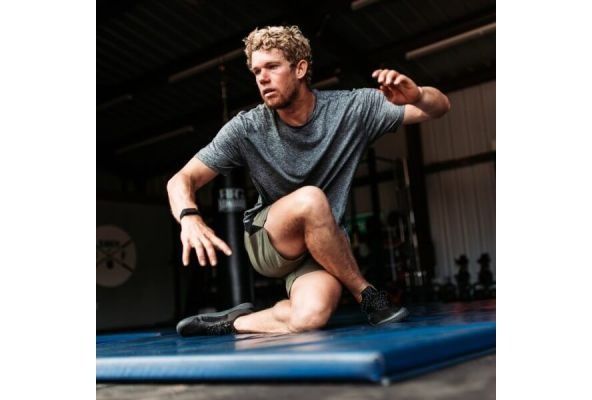
We firmly believe that foot health is crucial for performance—but don’t just take our word for it…
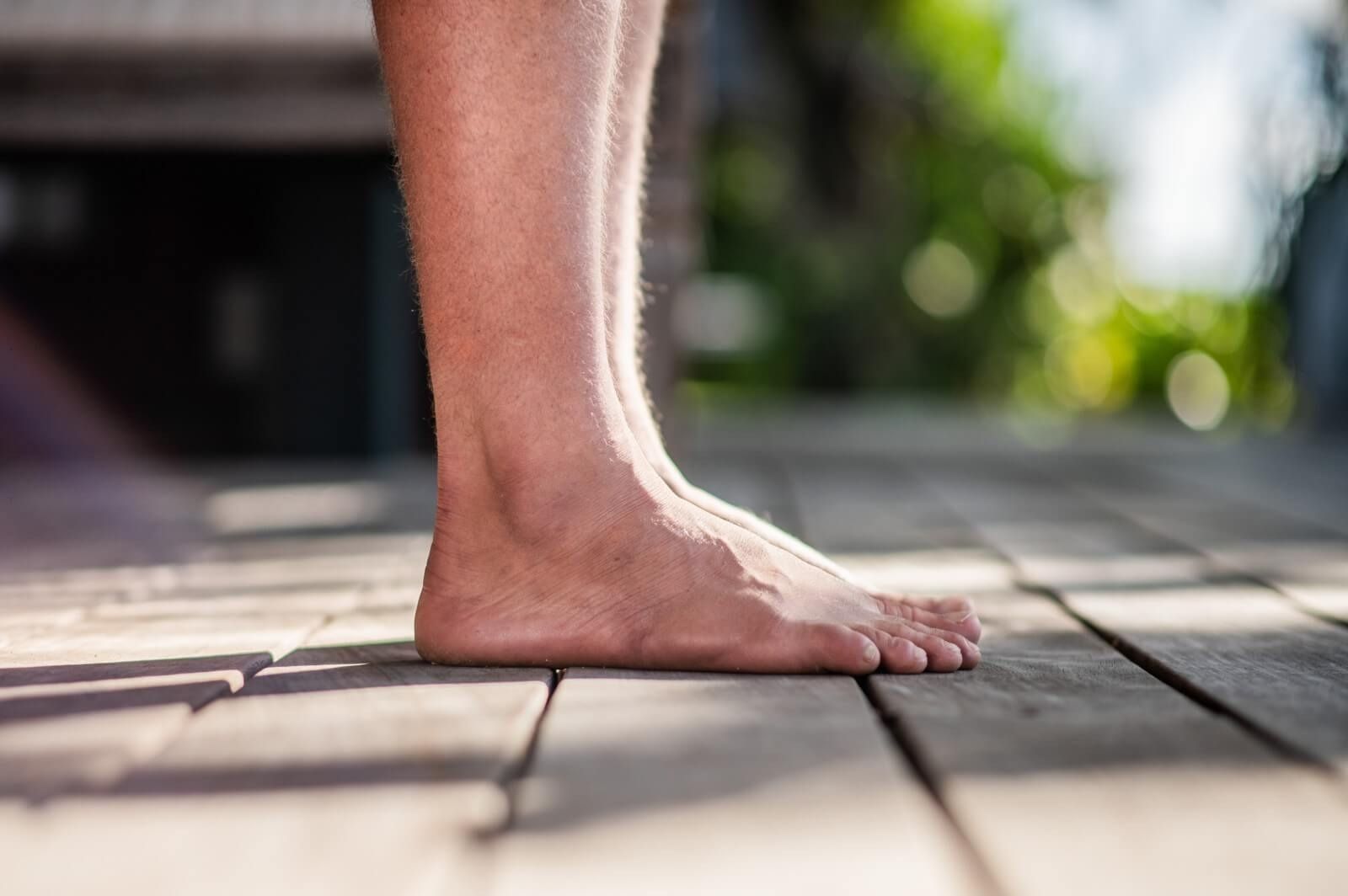
John agrees, and that’s why he lives and trains barefoot. “Everything starts with your feet,” he says, especially when it comes to surfing. Strong feet and enhanced sensory awareness form the foundation for skilled movement, reduced injury risk, and powerful surfing. Having suffered an ankle injury and a severe knee injury, John knows all too well how weaknesses can spread along your movement chain.
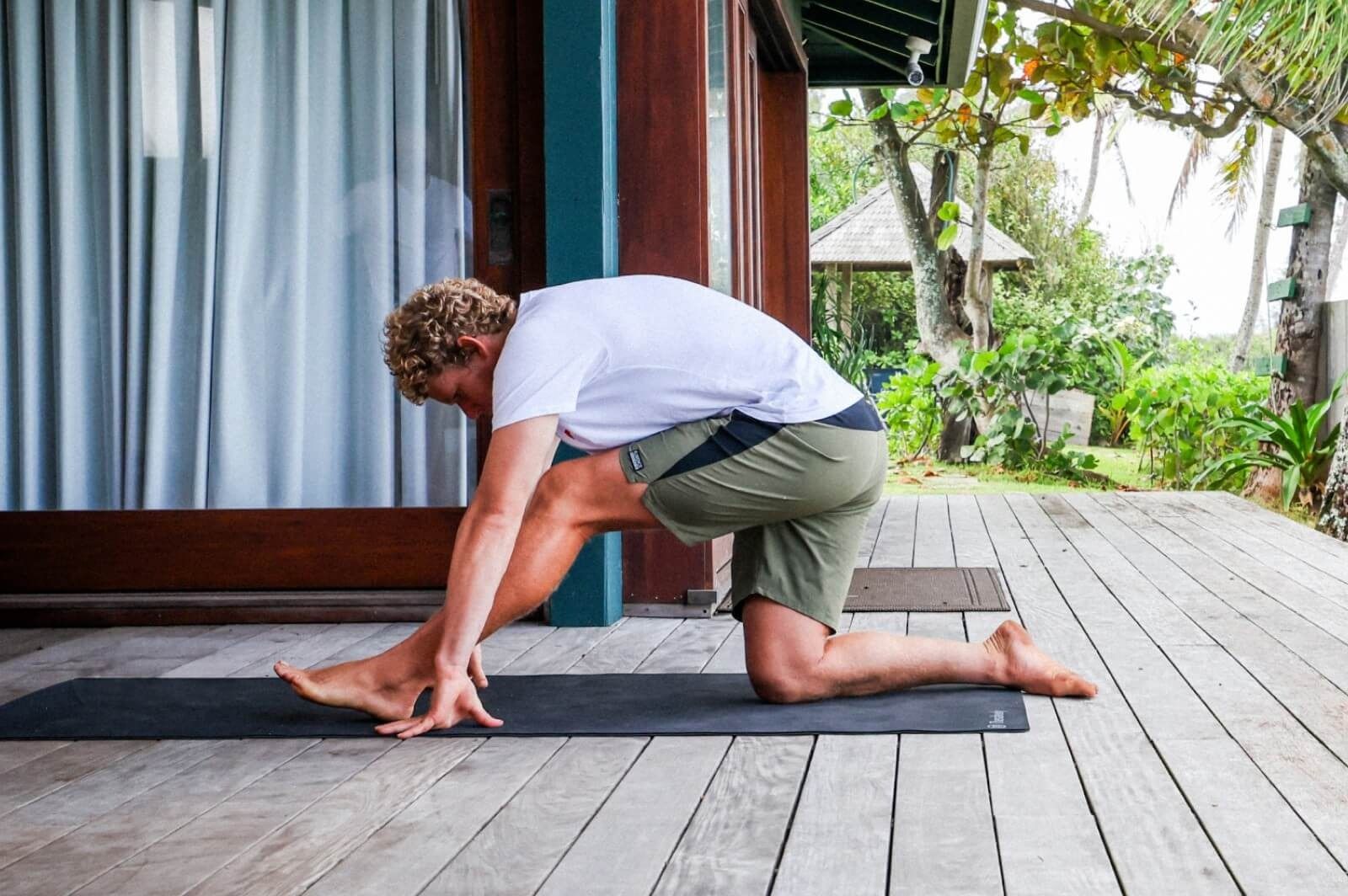
The first mobility video mentioned above shows how he builds strength in his feet and ankles from the ground up. In this video, he joins Arthur in a simple toe exercise designed to improve flexibility in the feet, from the toes to the ankles.
Mental performance is just as important as physical ability when it comes to unlocking your potential. Overcoming challenging situations, maximizing your capabilities, and minimizing injuries are both psychological and physiological processes.
Mental resilience is, to some extent, personal. As John explains in this video, for him, it includes strong motivation, clear goals, and a healthy perspective.
A large part of this involves looking beyond victory. He says that even the joy of becoming a world champion fades quickly. To stay motivated and cope with failure, it is crucial to enjoy your process. “I love surfing, and I surf every day,” he says. His passion is a performance superpower.
Instead of focusing on winning, John concentrates on improvement. “I know it’s an endless pursuit,” he says, “but I think that’s cool.” Improvement is directly tied to the process, making it more controllable. It also allows you to view success from a more holistic and personal standpoint. For John, this translates well into life more broadly.
John's mental resilience stems from a down-to-earth mindset that is rooted in staying present, being grounded, and being true to oneself. John says, "Being grounded means being able to take a step back, spend a second, and truly see, feel, and enjoy where you are." "It's easy to get caught up in the external stories created around you, rather than believing in your own inner story."
This kind of wisdom helps in having a correct perspective on performance, whether you are striving for a world championship or comparing yourself to others. It presents a beautiful paradox: Being grounded while simultaneously striving for excellence means that once you reach the peak, it is impossible to return to the ground, but it also makes it easier to maintain that peak performance.
Recovery is crucial for maximizing performance and unlocking your natural potential. However, it is easily overlooked after intense training sessions. The wide range of recovery methods can also feel overwhelming. For example, John’s recovery process is comprehensive, encompassing mobility work, hot and cold immersion, nutrition, relaxation, and sleep.
But do not sweat unless you opt for hot immersion! You don’t need to master all these methods. You may find that incorporating "bite-sized" recovery habits into your day—from stretching while watching TV to a quick ice bath during your post-workout shower—is easier than you think.
In this video, John guides Arthur on using a hot sauna and ice bath to aid muscle recovery, boost blood circulation, and reduce inflammation. He also explains how he uses a sensory deprivation tank for relaxation, meditation, and visualization. The key takeaway here is not that you need a fancy tank, but that you can use meditation, breathing exercises, or visualization to relax and enter a deep parasympathetic state, which supports immune function, digestion, and calmness.
Sleep impacts every aspect of your health, recovery, and performance. When life gets busy, it may seem negotiable, but it is non-negotiable for unlocking your natural potential.
John believes that a minimum of nine hours of sleep is optimal. Even under the best circumstances, this can be challenging—let alone when traveling across time zones and climates. In this video, he shares the strategies he finds most helpful: sleeping in a cool room, taking a hot bath before bed, eating dinner early, drinking magnesium supplements and calming tea in the evening, and avoiding phone use after 7:30 PM.
Try integrating the most suitable one among these (or other) methods into a consistent routine. Your recovery, performance, and overall health will thank you!
From barefoot hiking on Hawaiian trails to sailing, skiing in the mountains, and beekeeping in his garden, John’s connection with nature extends far beyond surfing. Nature brings him positive physical recovery, mental tranquility, and spiritual strength (or mana—a concept from Hawaiian indigenous culture).
A wealth of current research confirms nature’s ability to heal both the body and mind. Nature enhances immunity, water makes us happier, and simply looking at nature can influence brain waves, lower heart rate, reduce stress, and improve sleep. Time spent in nature is not just an enjoyable pastime; it is also a core pillar of overall health, optimal performance, and unlocking potential.